Interview Tips
- Ace the Interview
- The Interview
- Dress Code and Appearance
- Frequently Asked Questions
- Final Checklist
Ace the Interview
A great resume gets you in the door, but the interview lands you the job. This is your chance to showcase your personality, communicate your value, and demonstrate why you are the right fit for the team. Preparation is everything—research the company beforehand, practice answering common questions out loud, and come ready with thoughtful questions of your own. The goal is not just to answer well, but to connect authentically and leave a lasting impression.
The Interview
Before the Interview
- Research the Company: Understand their mission, values, products, and recent news. Mentioning something specific shows genuine interest.
- Know Your Resume: Be prepared to expand on everything you listed. Have specific examples ready that demonstrate your skills in action.
- Practice Common Questions: Rehearse answers to questions like “Tell me about yourself” and “Why do you want to work here?” Use the STAR method (Situation, Task, Action, Result) for behavioral questions.
- Prepare Your Own Questions: Always have 3 to 5 thoughtful questions ready for the interviewer. This shows engagement and initiative.
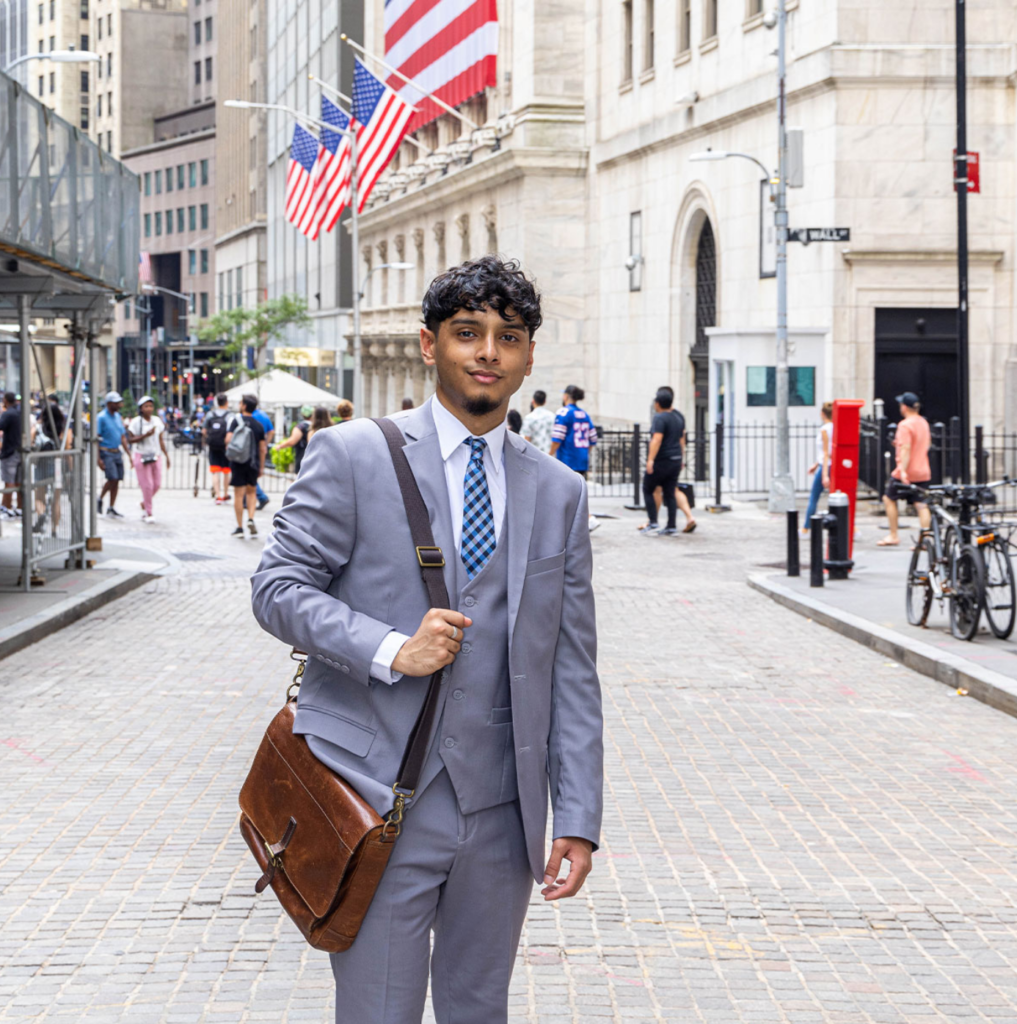
- Plan Your Outfit: Choose professional attire that makes you feel confident. When in doubt, dress one level above the company dress code.
- Gather Your Materials: Bring printed copies of your resume, a notebook, a pen, and a list of references.
- Know the Logistics: Confirm the time, location, and format (in-person or virtual). Test your technology beforehand for virtual interviews.
During the Interview
- Arrive Early: Aim for 10 to 15 minutes before a virtual interview and 10 to 15 minutes early for in-person.
- Make a Strong First Impression: Offer a firm handshake (in-person), maintain eye contact, and smile. For virtual interviews, look into the camera, not at yourself.
- Listen Carefully: Pause before answering to ensure you understand the question. It is okay to ask for clarification if needed.
- Use the STAR Method: For behavioral questions, structure your answer by describing the Situation, Task, Action, and Result.
- Stay Positive: Never speak negatively about past employers, coworkers, or experiences. Frame challenges as learning opportunities.
- Show Enthusiasm: Let your genuine interest in the role and company shine through. Energy and attitude matter.
- Be Concise: Keep answers focused and relevant. Avoid rambling or going off on tangents.
After the Interview
- Send a Thank-You Email: Within 24 hours, send a personalized thank-you note to each person who interviewed you. Mention something specific from your conversation to show you were listening.
- Reflect on Your Performance: Note what went well and what you could improve for next time.
- Follow Up Appropriately: If you haven’t heard back within the stated timeline, a brief, polite follow-up email is acceptable.
Professional Appearance Standards
Dress Code and Appearance
- Business Formal: Suit and tie for men; pantsuit, skirt suit, or professional dress for women. Best for corporate, law, finance, and government roles.
- Business Casual: Slacks or khakis with a collared shirt or blouse. Blazer optional. Best for startups, tech companies, and creative agencies.
- Company Research: When in doubt, visit the company website or LinkedIn. See how employees dress in their profile photos or “About Us” section. Aim to match or dress one level above.
- Grooming: Neat, clean, and polished. Avoid strong fragrances. Keep makeup and accessories professional and understated.
Body Language Tips
- Offer a firm (not crushing) handshake.
- Maintain eye contact without staring.
- Sit up straight and lean slightly forward to show engagement.
- Avoid crossing your arms.
- Keep hands visible and use natural gestures.
- Nod occasionally to show you are listening.
- Mirror the interviewer’s energy level subtly.

Frequently Asked Questions
Common Interview Questions to Practice
- “Tell me about yourself.”
- “Why do you want to work here?”
- “What are your strengths and weaknesses?”
- “Tell me about a time you faced a challenge and how you handled it.”
- “Describe a situation where you worked successfully as part of a team.”
- “Where do you see yourself in five years?”
- “Why should we hire you?”
Questions You Should Ask the Interviewer
- “What does a typical day look like in this role?”
- “How would you describe the company culture?”
- “What are the biggest challenges facing the team right now?”
- “What opportunities for growth and development does this position offer?”
- “What are the next steps in the hiring process?”
Virtual Interview Tips
- Test your camera, microphone, and internet connection beforehand.
- Choose a quiet, well-lit space with a neutral background.
- Look into the camera, not at the screen.
- Close all other tabs and applications to avoid distractions.
- Dress professionally from head to toe—it helps you feel the part.
Dress Code by Industry
- Business Formal (Suit Required) – Finance, banking, law, government, consulting
- Business Professional – Corporate roles, management trainees, education
- Business Casual – Tech companies, startups, marketing agencies, nonprofits
- Creative Casual – Design firms, media companies, advertising agencies, arts organizations
- Industry Research Tip – Check LinkedIn to see what current employees wear in their profile photos. When in doubt, dress one level above the company dress code
Questions to Ask Team Members
- What do you wish you knew before joining?
- How does the team collaborate?
- What is the best part about working here?
- What challenges does the team face?
- How are new ideas welcomed?
- How would you describe team morale?
- What do you like about your manager?
- How do team members support each other?
STAR Method Practice Scenarios
- A time you solved a problem
- A time you led a team
- A time you handled conflict
- A time you met a deadline under pressure
- A time you went above expectations
- A time you learned from a mistake
- A time you adapted to change
- A time you persuaded someone
- A time you improved a process
- A time you worked with a difficult person
Red Flags to Watch For
- Interviewers who are vague about job duties.
- High turnover mentioned casually.
- Disrespectful treatment during the interview process.
- Pressure to accept immediately.
- Unwillingness to discuss salary or benefits.
- Consistently negative talk about employees or clients.

Final Checklist Before Interview
- Company research completed
- 3 to 5 questions prepared for interviewer
- Resume printed (3 to 5 copies)
- Portfolio or work samples ready (if applicable)
- References list prepared
- Outfit chosen and ironed
- Directions confirmed / technology tested
- Water and notebook packed
- Alarm set with extra buffer time
- Positive mindset activated
“You never get a second chance to make a first impression.”
— Will Rogers

BROOKLYN. ALL. IN.

