
Mentors
What is the CIS Peer Mentor Program?
The CIS Peer Mentor Program is an effort to better support new Computer & Information Science students. CISC 1115 (Intro to Java) is the first required core class for any of the Computer & Information Science majors. The goal is to increase student success and pass rate, from the very beginning, by providing guided mentorship throughout the academic semester. With consistent presence, effort, and additional academic support, we aim to increase the number of students who successfully pass without needing to repeat the course. This initiative is also an effort to demonstrate the various resources that we have available to students, especially when it concerns academic support.
Who are the mentors?
Mentors are academically good-standing upper-level classmen who are studying Computer & Information Science. They have strong communication skills and want to lend their time and their expertise to support their peers.
What does a CIS Peer Mentor do?
The mentors primary commitment is to:
- Attend their assigned section once weekly for at least 30 mins.
- Create availability to work and tutor students outside of the classroom
The specifics of this may vary based on your instruction and collaboration with the mentor. Mentors are encouraged to create study sessions and make time for group or individual tutoring with students outside of class time. They are to reinforce and support any areas of uncertainty for the students. Additionally, they are to maintain open communication with you, as an instructor, and share any observations or necessary information.
When does this begin?
The program generally starts at the beginning of every semester. Be sure to look out for future recruitment dates.

Meet the Mentors
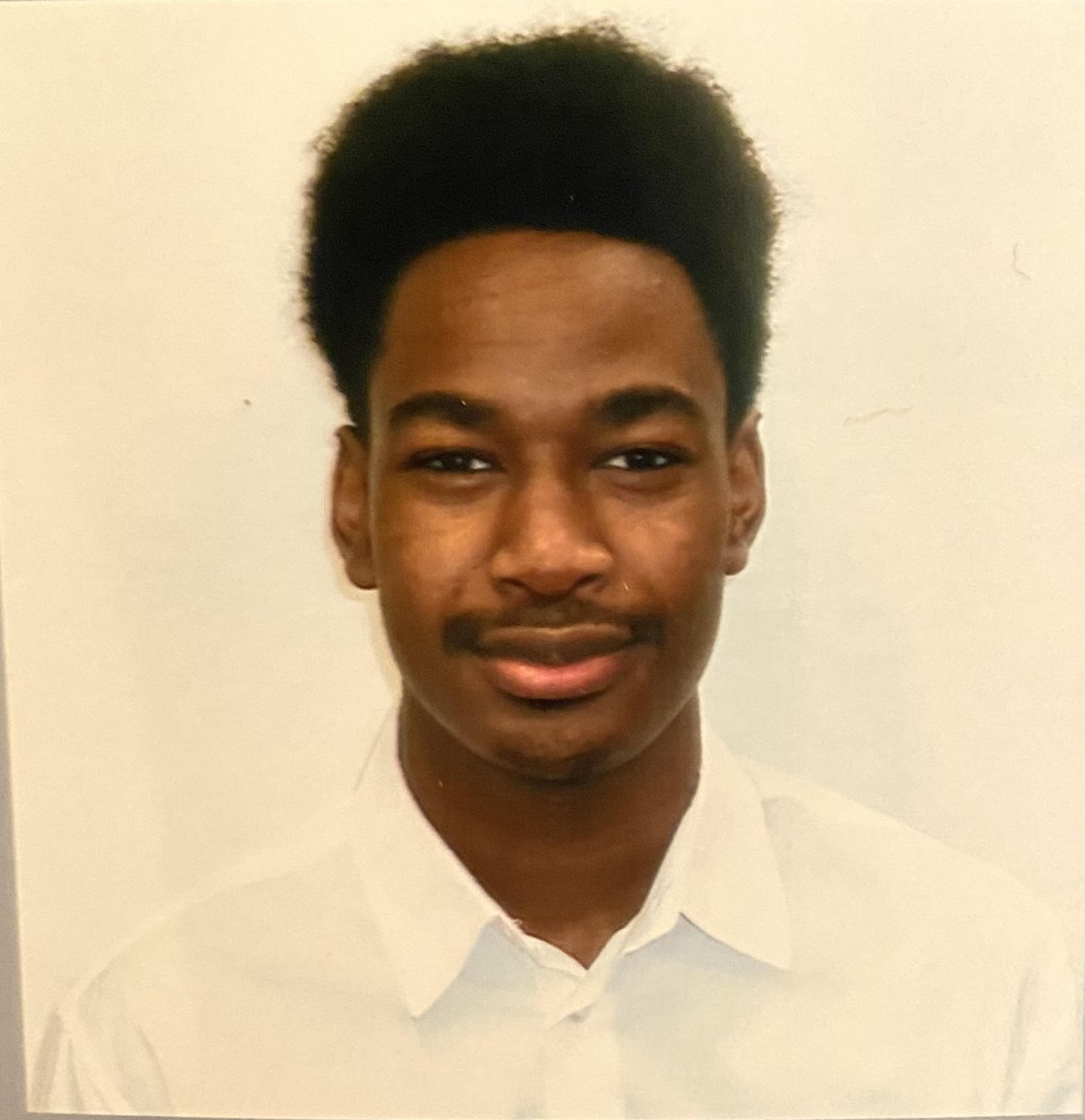
Mazen:
Why is CIS peer mentoring important?
CIS Peer Mentoring is important because it provides guidance to the next group of CS majors. As someone who has had various mentors, I can attest to the growth and success that peer mentoring leads to. By offering insight and support to freshmen, mentees walk away with invaluable lessons that help them to realize their potential early on. Additionally, peer mentoring instills good study habits and proactiveness in students, which is essential for academic success. I visualize the significance of CIS Peer Mentoring as my senior-year self reaching back to guide my freshman-year self.

Muhammad:
Tell us a little about yourself
Greetings, my name is Muhammad Ali, and I am a Computer Science major! As a computer science major, I love to find ways to solve problems and exploring different ways to do so collaboratively. I am very competitive, if provoked, but I strive to be a helping hand as best as I can. All in all, I am a nice guy, trust that last part
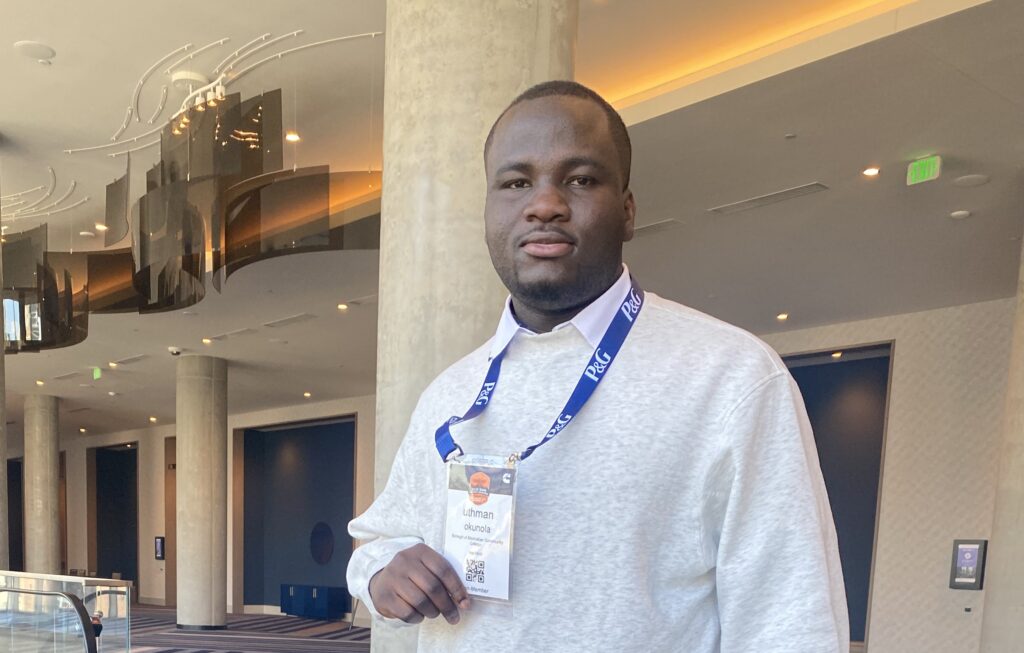
Uthman:
Uthman is a senior undergraduate majoring in information system with a minor in computer science. He is passionate about helping others learn and navigating technical challenges together. His biggest academic challenge was Data structures in Java and he has since gained professional experience in management, finance and software development. He currently serves as a mentor for Intro to Java.
Why I chose to be a mentor
Being a CIS peer mentor has been a really rewarding experience for me. It’s given me the chance to help other students facing the same challenges I’ve experienced, especially in technical courses where things can get overwhelming. I like being someone they can come to not just for answers, but for guidance and reassurance. I think CIS peer mentoring is important because it creates a supportive environment where students don’t feel like they’re figuring everything out alone. I would definitely encourage others to consider it because you grow a lot yourself when helping others succeed.
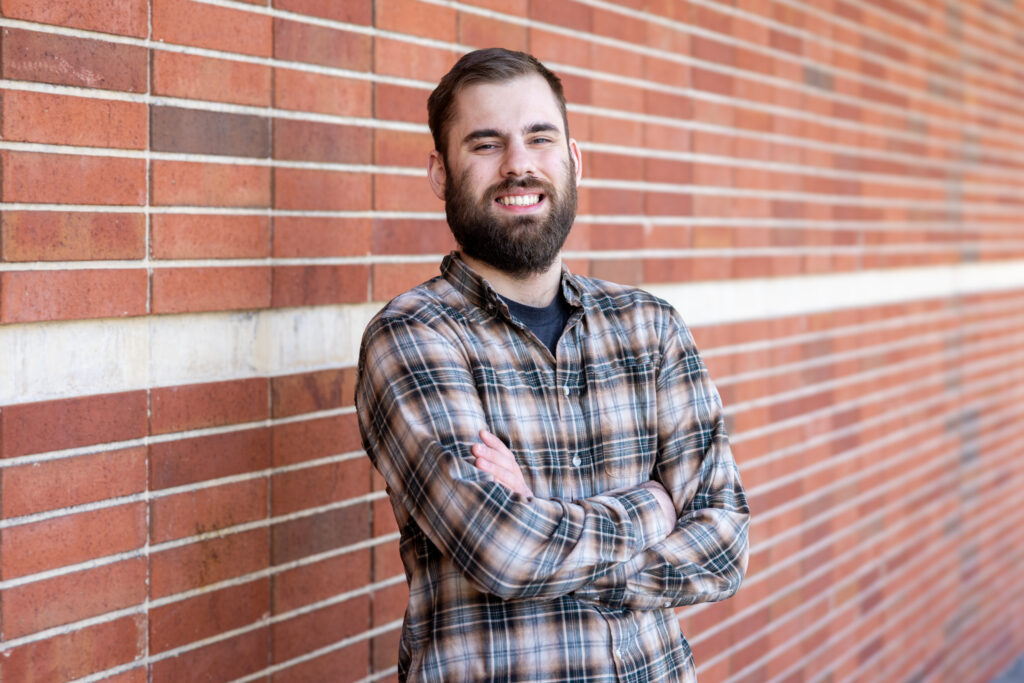
Yevgeniy:
Why is CIS peer mentoring important?
CIS peer mentoring is important because it helps students move beyond memorizing code and start understanding how concepts actually work together. Learning from someone who has already taken the same path makes guidance more direct, practical, and easier to apply. It also helps students build confidence by showing them how to approach problems step by step instead of getting stuck. All of this creates a supportive environment that encourages collaboration and strengthens the overall CIS community.

BROOKLYN. ALL. IN.

